Car Broken Into in Perth? Fixing a Damaged Ignition
·
6 min read
·
Origin Locksmiths
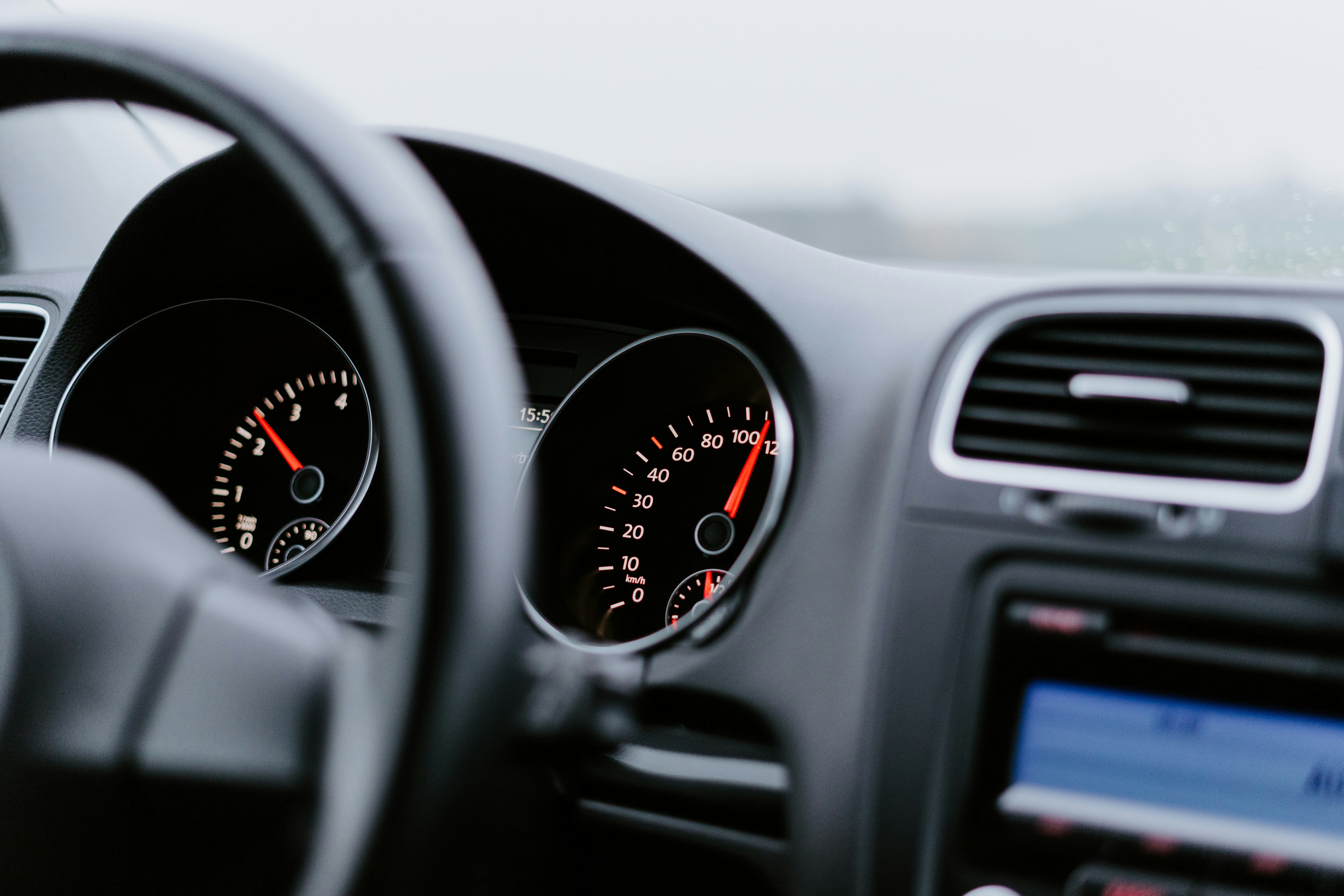
Stop, take photos, report it and do not force the key. If someone has broken into your car and tampered with the ignition, leave it alone until it has been assessed. Do not try to solve suspected theft damage with lubricant or repeated attempts to turn the key.
This guide covers what to do after a break in in Perth, how a damaged ignition is assessed, and when the barrel can be repaired or needs to be replaced.
What do WA vehicle theft statistics show?
Here is what WA Police recorded for the 2025/26 financial year, from July 2025 to June 2026. These are recorded offences, not counts of distinct vehicles or forced entries:
Figure 1: Vehicle crime in WA, 2025/26

In the Armadale police district, WA Police recorded 1,785 thefts from motor vehicles and 415 motor vehicle thefts in the same year.
Not every break in touches the ignition. Many are about what is inside the car. But if someone has tried to drive the car away, the ignition is one of the parts that can be damaged in the attempt.
In its 2021 submission, NMVTRC reported that mandatory immobilisers had made modern cars almost impossible to steal without access to the keys. This is historical research, rather than a finding about theft methods in Perth in 2026.
What to do after your car is broken into
Work through these steps in order, ideally before anyone tries to move or start the car:
Leave the ignition alone. Do not force the key or try to treat suspected theft damage with lubricant before an assessment.
Take photos. Capture the ignition, any broken glass, missing items and where the car was parked.
Report it to WA Police. A police report gives you a record of the break in for your insurer.
Contact your insurer. Let them know about the damage and anything that was stolen, and ask how they handle glass and body damage.
Book an ignition assessment. A mobile locksmith can inspect the ignition barrel where the car is parked.
If a key snapped in the ignition, leave it there. Mention it when you book, because broken car key extraction may be needed first.
Figure 2: After a break in: what to do and what to avoid
Do | Avoid |
Photograph the damage | Forcing the key in the ignition |
Report the break in to WA Police | Trying to treat suspected theft damage with lubricant before assessment |
Tell your insurer about the damage | Repeatedly trying to start the car |
Book an ignition assessment | Pulling at a key that has snapped off |
Damaged ignition after attempted theft: repair or replace?
It depends on how badly the barrel or housing is damaged. Attempted theft, forced keys or a broken steering lock mechanism can damage the housing beyond repair. A worn or damaged ignition barrel can sometimes be repaired, but severely damaged cylinders or housings need to be replaced instead.
A cracked, seized or badly worn cylinder may need replacement. The locksmith must assess the cause and extent of the damage before deciding whether a repair is possible. You can see how the process works on our ignition repair page.
Figure 3: Ignition repair or replacement
What the assessment finds | Possible outcome |
Worn or damaged ignition barrel | Assess whether a repair is possible |
Cylinder body cracked, seized or badly worn | May require replacement following assessment |
Housing damaged by attempted theft or a broken steering lock | May be beyond repair and require replacement |
Ignition barrel replaced | May work with existing keys; new keys or programming may be needed |
Source: Origin ignition repair service; outcome depends on the vehicle and assessment.
Will I need new car keys?
Depending on the vehicle and replacement components, the new ignition may work with your existing keys. New keys or programming may be required, but replacing the mechanical barrel does not automatically mean both are needed.
Ignition stiff but no sign of a break in?
Not every stiff ignition is caused by tampering. If your key simply will not turn, our guide on why a car key will not turn in the ignition covers other common causes worth ruling out first.
How to make your car a harder target
NMVTRC's Pop, Lock, Stop campaign sums up the basics: pop keys out of sight, lock all doors and windows, and stop sneak theft.
Home is where a lot of this starts. A 2014 joint study by NMVTRC and WA Police found car keys were the only property stolen in up to one in four reported burglaries in which a vehicle was taken, which is why where you keep your keys matters as much as locking the car.
Lock the car every time, including in your own driveway.
Keep valuables out of sight, or take them with you.
Keep keys out of sight and away from doors and windows at home.
Get any damage to the ignition looked at promptly, rather than driving around with a barrel that has been forced.
Frequently Asked Questions
Can a damaged ignition be repaired after attempted theft?
Sometimes. It depends on the damage. Attempted theft, forced keys or a broken steering lock mechanism can damage the housing beyond repair, and in that case the ignition is replaced.
Should I spray lubricant into a stiff ignition after a break in?
Leave a suspected damaged ignition alone and have it assessed. Do not force the key or try to treat theft damage with lubricant.
Do I need new keys if my ignition barrel is replaced?
Not always. Depending on the vehicle and replacement components, the ignition may work with your existing keys. New keys or programming may be required.